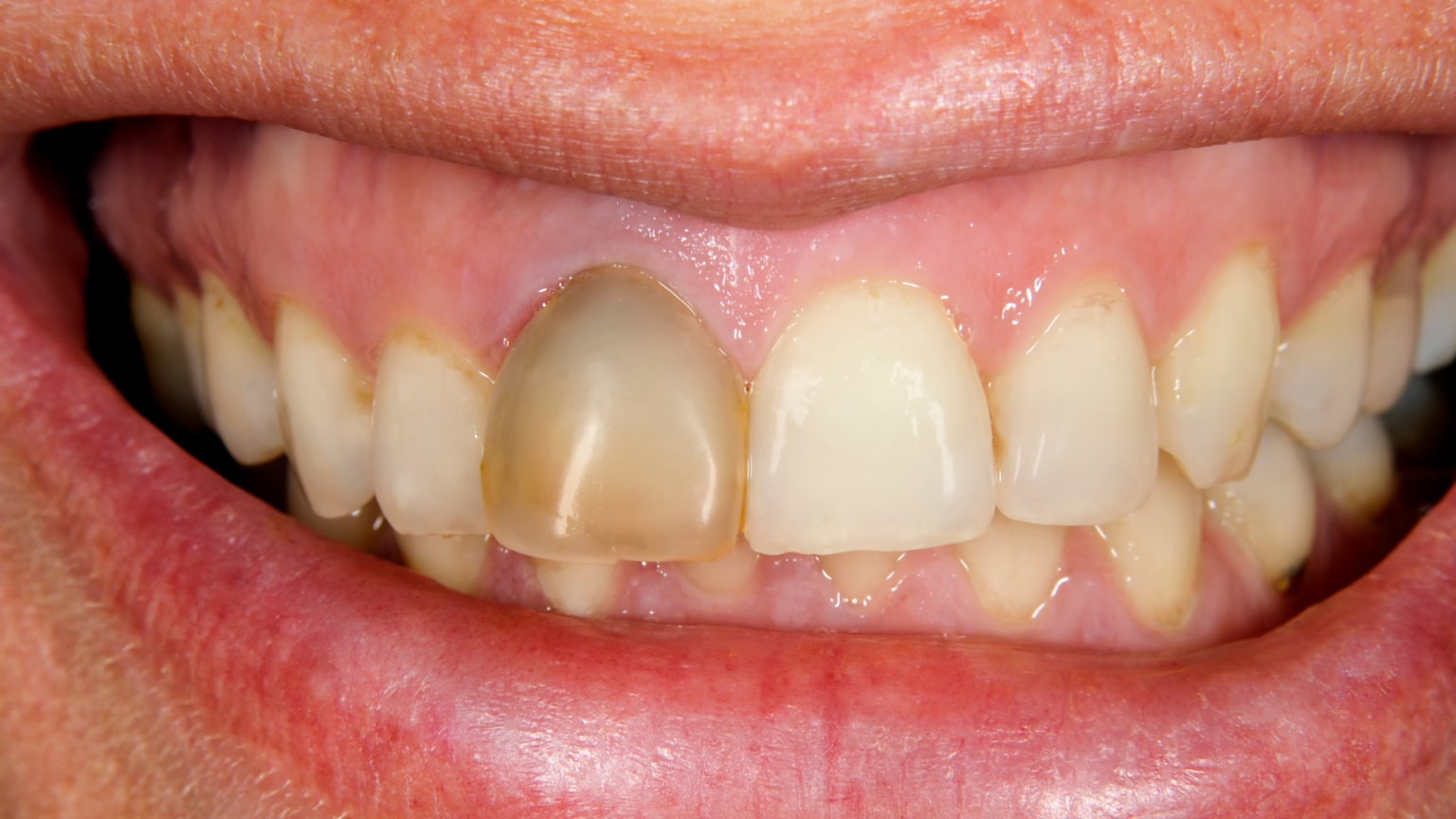
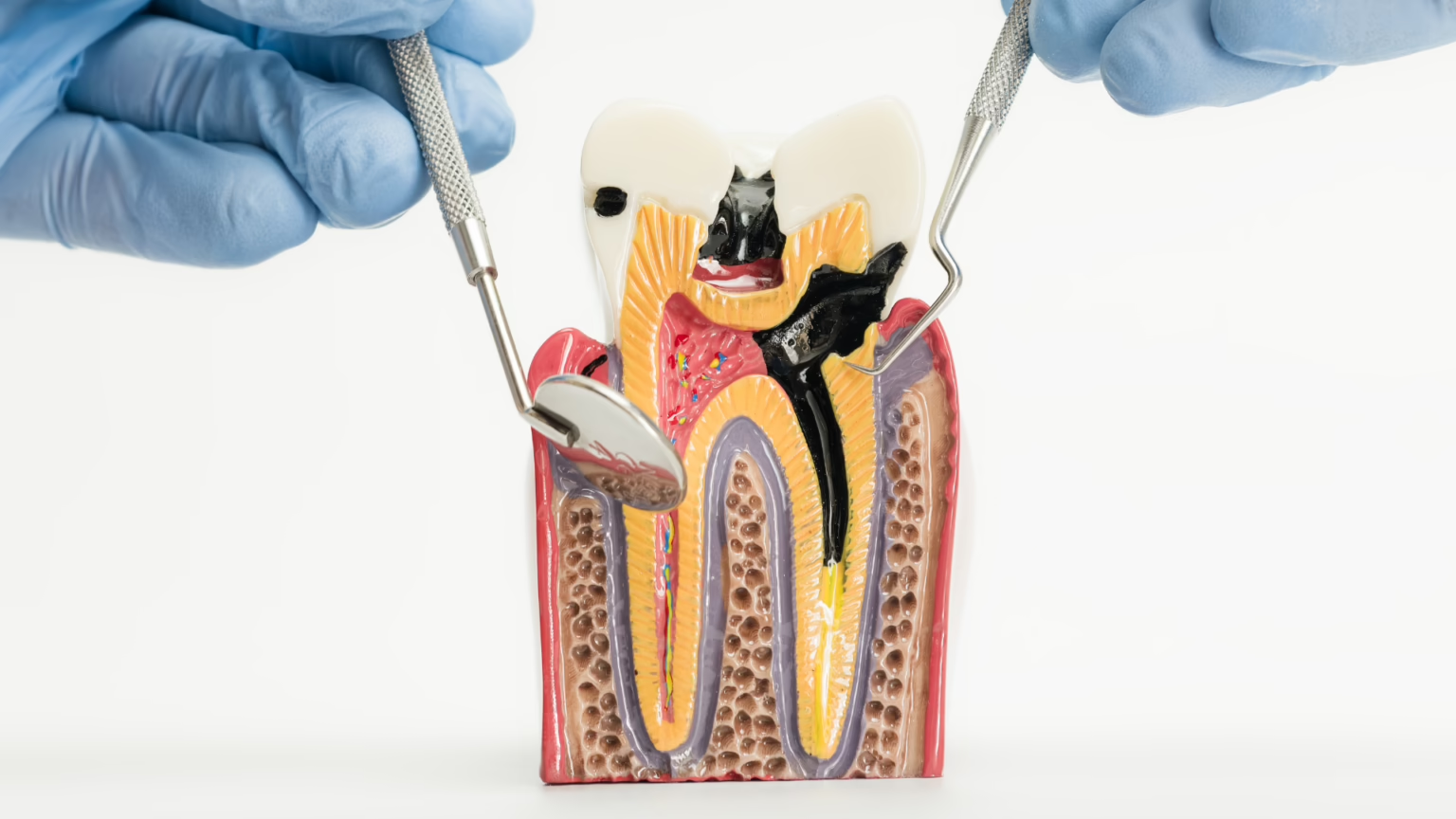
If you’ve ever caught yourself wondering, “What if my body just… doesn’t accept it?” — you’re not alone. Many people in Chandler ask the same thing when they start looking into a dental implant.
The short answer? True dental implant rejection is rare.
The longer answer is more reassuring — and worth understanding before you make any decisions.
What People Mean When They Say “Dental Implant Rejection”
Most patients aren’t actually talking about a medical rejection. They’re describing a feeling:
- Something doesn’t feel right
- Healing feels slower than expected
- There’s discomfort they weren’t prepared for
When people use the phrase dental implant rejection, they’re usually referring to dental implant failure, which is very different — and often manageable when caught early.
That distinction alone brings a lot of relief.
Dental Implant Failure vs Rejection (Why the Difference Matters)
It’s common to see searches for dental implant failure vs rejection, and here’s why:
- Dental implant rejection usually implies a rare immune response
- Dental implant failure is more often related to infection, bone support, or healing issues
One is uncommon. The other is treatable — especially when addressed promptly.
Implant Rejection Symptoms People Worry About
If you’ve been paying close attention to how things feel, that’s a good thing.
Frequently searched dental implant rejection symptoms include:
- Pain that doesn’t gradually improve
- Swelling that lingers
- Gum tenderness or bleeding
- A feeling that the implant is loose
- Discomfort when chewing
These symptoms don’t automatically mean rejection — but they do mean it’s time to check in.
What Actually Causes Implant Failure?
Understanding what causes dental implant failure helps take the fear out of the unknown.
The most common factors include:
- Infection around the implant (such as peri-implantitis)
- Not enough healthy bone
- Smoking or unmanaged medical conditions
- Too much pressure during healing
- Waiting too long to address early warning signs
The encouraging part? Many of these risks can be planned for — or prevented entirely.
Can You Be Allergic to Titanium Dental Implants?
This question comes up more often than you might expect: can you be allergic to titanium dental implants?
True titanium allergies are extremely rare. Dental implants are designed to be biocompatible, meaning they’re intended to work with your body, not against it. If you have a history of sensitivities or medical concerns, those can be discussed upfront.
What Does a Failing Dental Implant Feel Like?
People often search what does a failing dental implant feel like because discomfort can be unsettling.
A failing implant may feel:
- Persistently sore
- Slightly unstable
- Irritated in the surrounding gums
The key takeaway here is simple: trust your instincts. If something feels off, it’s worth getting it checked.
Is Dental Implant Rejection Common?
This is the question everyone wants answered: is dental implant rejection common?
No — it isn’t.
Dental implants have a very high success rate, especially when placed thoughtfully and maintained with regular care. Most patients heal well and enjoy long-term results.
Can a Failed Implant Be Replaced?
Another very real concern: can a failed dental implant be replaced?
In many cases, yes. Replacement may involve healing time, addressing the underlying issue, and planning the next step carefully. This is where experience and personalized care make a difference.
Still Have Questions? Let’s Talk.
If you’re considering dental implants but still feel uncertain, that’s completely normal. You don’t need to have everything figured out before reaching out.
At Brennan Dental, patients in Chandler, AZ and nearby communities are encouraged to ask questions, share concerns, and take things one step at a time. Our approach to dental implants is straightforward, honest, and focused on long-term success — not pressure.
Call (480) 498-8825 or schedule a consultation online to talk through your questions and decide what makes sense for you.