If you’ve been told you have a dead tooth—or you suspect you might—your first thought is probably: How serious is this? Does it need immediate treatment, or can it wait?
At Brennan Dental in Chandler, AZ, we hear this question often. The truth is that a dead tooth can sometimes sit quietly without pain for quite a while. But even if it feels fine, it can still lead to infection and complications over time. This guide explains what a dead tooth is, how long it can go untreated, and why it’s usually best to take action sooner rather than later.
What Is a Dead Tooth?
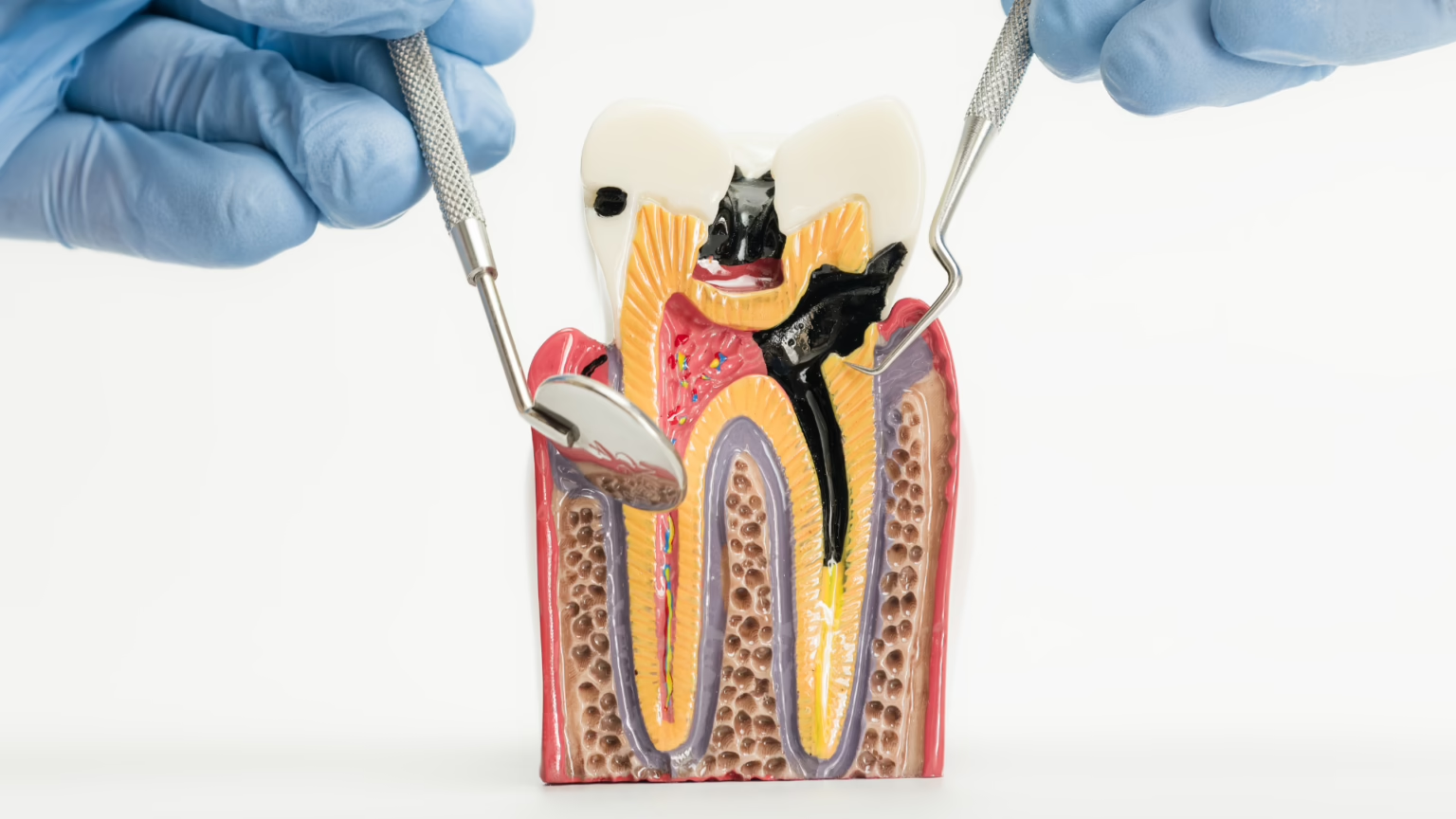
A dead tooth (also called a non-vital tooth) is a tooth that no longer has a living nerve or blood supply. This happens when the pulp inside the tooth becomes damaged beyond repair due to trauma or infection.
Common causes of a dead tooth include:
- Deep untreated cavities
- Cracks or fractures
- Trauma from sports injuries or accidents
- Failed dental work
- Advanced gum disease
Once the nerve dies, the tooth can’t heal on its own—even if the pain goes away.
How Long Can a Tooth With Nerve Damage Go Untreated?
A dead tooth can remain in the mouth for weeks, months, or even years without causing major symptoms. However, that doesn’t mean it’s safe.
👉 A dead tooth left untreated will usually develop complications eventually.
The longer it stays untreated, the higher the risk of:
- Infection
- Abscess formation
- Bone loss around the tooth
- Damage to surrounding teeth
- Tooth loss
- More extensive and expensive treatment later
So while a dead tooth may not feel urgent right away, it often becomes a bigger issue the longer it’s ignored.
What Happens If a Dead Tooth Is Left Untreated?
Once a tooth is no longer alive, bacteria can enter the pulp chamber and spread through the root system. Over time, the infection can move into the surrounding bone.
Possible complications include:
- A dental abscess (a pocket of infection)
- Swelling in the gums, face, or jaw
- Bad breath or a foul taste that doesn’t go away
- Bone deterioration around the tooth
- Infection spreading to other areas of the body
Untreated dental infections can cause serious health concerns, which is why professional treatment is important.
Does a Dead Tooth Always Hurt?
Not necessarily.
A dead tooth may:
- Hurt at first, then stop
- Feel sensitive when biting
- Feel completely normal
Pain is not always a reliable sign of what’s happening inside the tooth. Some infections continue quietly until swelling or severe pain appears later.
Signs You May Have a Dead Tooth
Some symptoms that may indicate nerve damage include:
- A tooth that turns gray, brown, or darker than surrounding teeth
- Swelling near the gumline
- A small bump on the gum that looks like a pimple
- Bad breath or bad taste
- Pain when chewing—or pain that suddenly disappeared
If you notice any of these signs, it’s a good idea to schedule an exam as soon as possible.
Can a Dead Tooth Be Saved?
In many cases, yes.
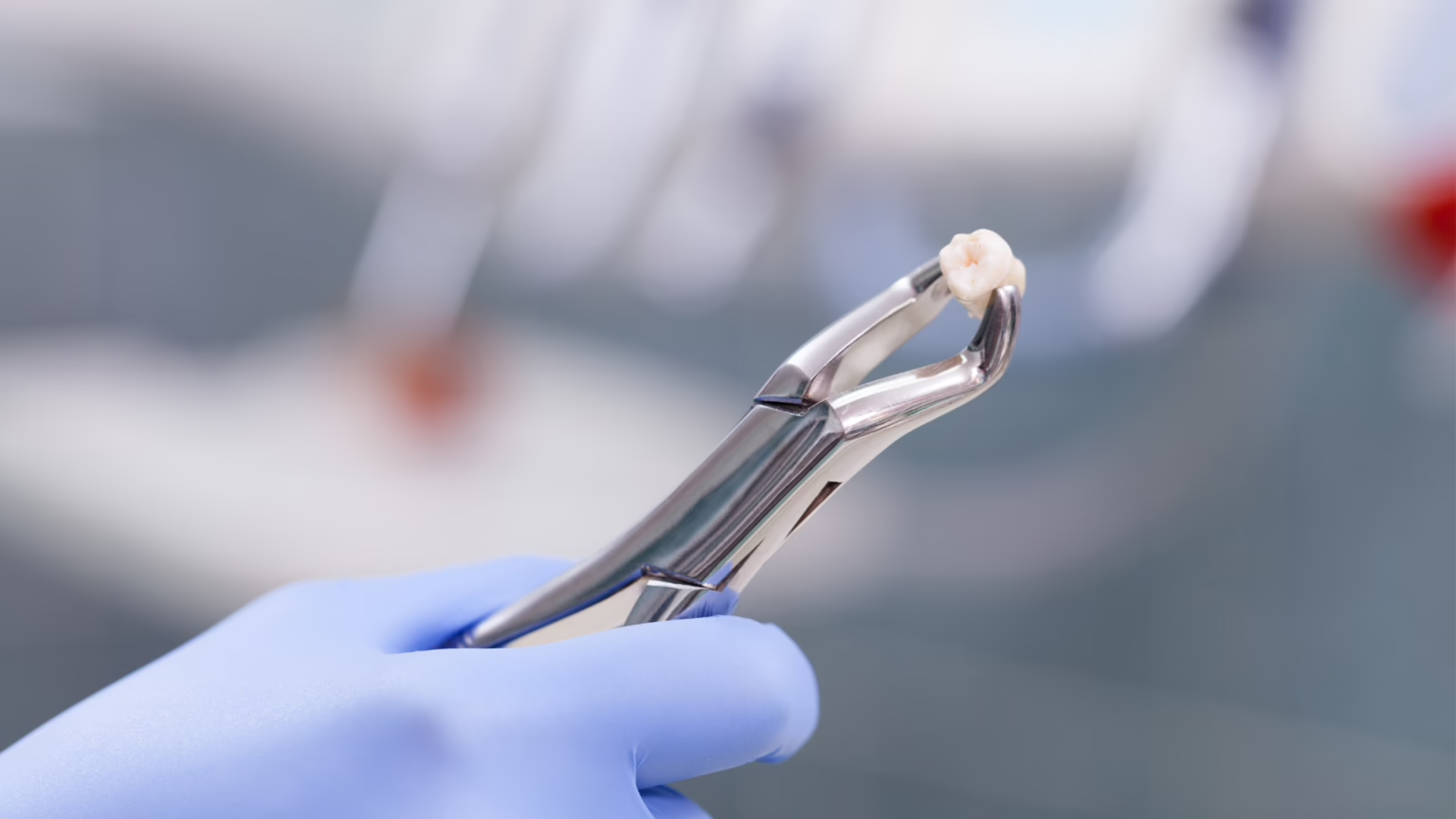
If the tooth is still structurally stable, a root canal can remove infected tissue and preserve the tooth. After a root canal, a crown is often recommended to protect the tooth from cracking.
Early treatment increases the chances of saving the tooth.
Is a Dead Tooth Filling Enough?
Usually, no.
A filling only repairs the outer structure of a tooth. If the nerve is dead, the infection is deeper inside the root system.
If a tooth is already dead:
- A filling won’t remove infected tissue
- Bacteria can continue spreading underneath
- Symptoms may return later
That’s why a root canal or extraction is typically recommended instead of a standard filling.
When Does a Dead Tooth Need to Be Pulled?
Extraction may be recommended if:
- The tooth is severely broken or weakened
- Infection has caused major bone loss
- A root canal is not possible
- The tooth has fractured below the gumline
If extraction is needed, replacement options like dental implants can restore both appearance and function.
How Long Can You Leave a Dead Tooth Before Infection Develops?
There is no exact timeline.
Some patients develop infection within weeks, while others may go months without noticeable symptoms. But once the nerve is dead, infection can occur at any time.
According to the Mayo Clinic, dental infections do not resolve without treatment and require professional care.
Why Waiting Often Makes Treatment More Complicated
Delaying care can lead to:
- Increased chance of tooth loss
- More bone loss around the root
- A more difficult root canal procedure
- Higher treatment costs
- A longer recovery process
Getting treatment earlier usually means simpler care and better outcomes.
How Dentists Diagnose a Dead Tooth
At Brennan Dental, diagnosing a dead tooth may include:
- Digital X-rays
- Cold testing or tapping tests
- Visual evaluation of discoloration or damage
- Reviewing your symptoms and dental history
Routine dental exams can often catch dead teeth before major complications occur.
What You Can (and Can’t) Do at Home
What you can do:
- Keep the area clean with brushing and flossing
- Avoid chewing on the tooth
- Schedule a dental appointment soon
What you should avoid:
- Ignoring the tooth because the pain stopped
- Using pain medication long-term instead of treatment
- Assuming the tooth will “heal” on its own
Key Takeaways
- A dead tooth can stay in your mouth for a while, but it can still cause infection
- Pain is not always a reliable warning sign
- Root canal treatment can often save the tooth
- Leaving a dead tooth untreated increases the risk of abscess and bone loss
- Early treatment is usually easier, faster, and less expensive
Concerned About a Dead Tooth in Chandler, AZ?
If you think you may have a dead tooth—or you’ve been delaying treatment—it’s best to get it checked before complications develop.
📞 Contact us at (480) 498-8825
🗓️ Schedule your appointment online
📍 Visit us at 1929 E Ray Road, Suite 2, Chandler, AZ 85225
At Brennan Dental, we’re here to help you protect your smile and your health.